The Wiccan Wheel of the Year is a lovely tapestry of natureS cycles and sacred festivals that honor the changing seasons. This guide invites you to explore the essence of each Wiccan sabbat, celebrate the magic of these festivals, and connect with the Earth in a meaningful way. Whether you're a seasoned practitioner or just beginning your journey into Wiccan traditions, this article provides a comprehensive overview of the Wheel of the Year and the vibrant celebrations associated with it.
understanding the Wiccan Wheel of the Year
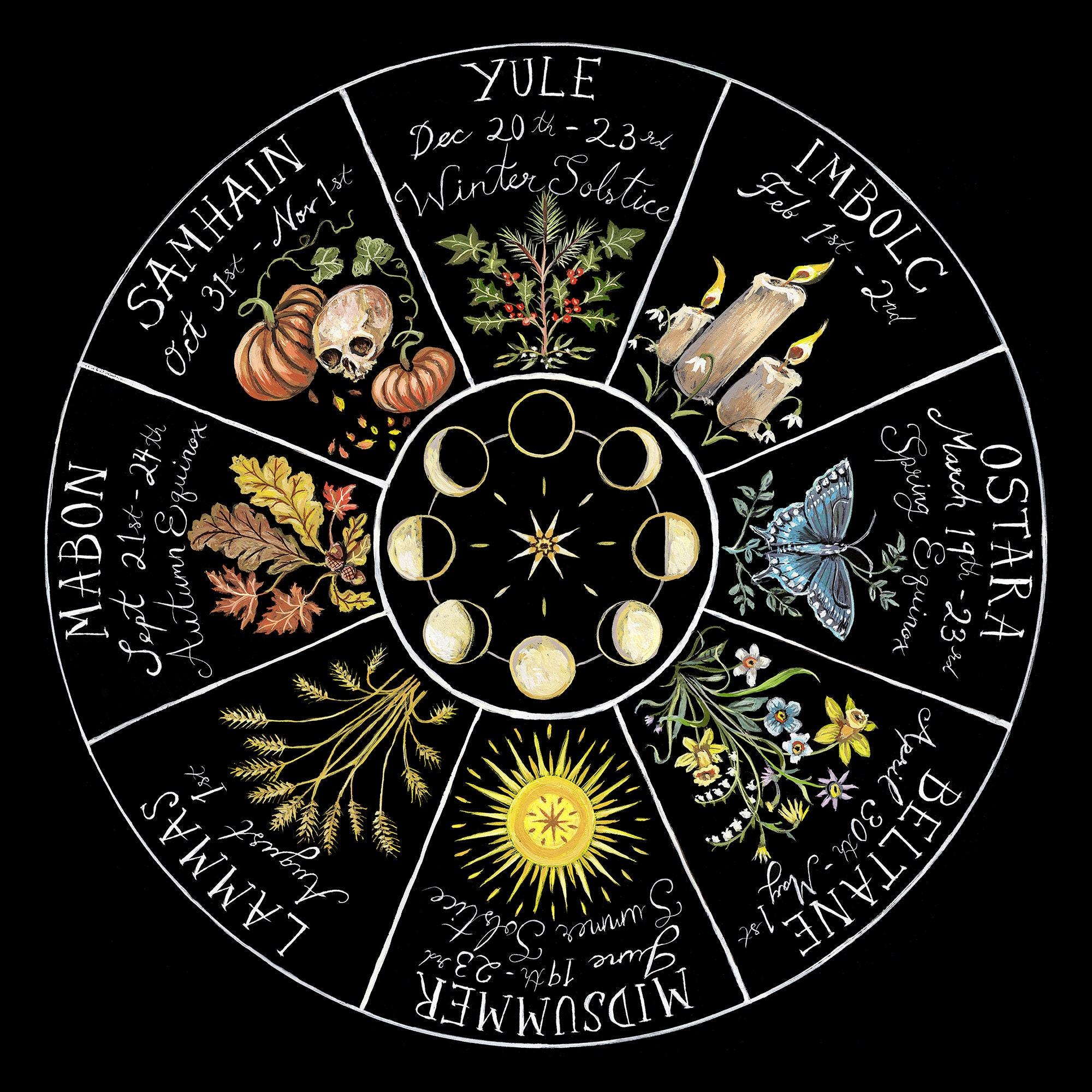
The Wiccan Wheel of the Year is structured around eight major festivals known as the sabbats.These rituals reflect the cyclical nature of life, death, and rebirth, mirroring the seasons. Each sabbat has its own unique significance, allowing practitioners to deepen their connection with the universe.
The Eight Sabbats of the Wheel
- Samhain (October 31 – November 1): Marks the end of the harvest and the onset of winter. It is a time to honor ancestors and those who have passed.
- Yule (Winter Solstice, around December 21): Celebrates the rebirth of the Sun and the return of light. It's a time for reflection and new beginnings.
- Imbolc (february 1 – 2): Honoring the goddess Brigid, this festival signals the first stirrings of spring and renewal.
- Ostara (Spring Equinox, around march 21): A festivity of balance, fertility, and the blooming of nature.
- Beltane (May 1): A joyous festival celebrating fertility,passion,and the blossoming of life.
- litha (Summer solstice, around June 21): The peak of summer and light, celebrating abundance and growth.
- Lughnasadh (August 1): A harvest festival honoring the first fruits of the season and the cycle of life.
- Mabon (Autumn Equinox, around September 21): Celebrates the second harvest and the balance of light and dark, a time for thanksgiving.
Celebrating Each Season: Rituals and Practices
Participating in the seasonal celebrations can enhance your understanding of the cycles of nature and promote personal growth. here are practical ideas for celebrating each Sabbat:
Samhain rituals
- Light candles in remembrance of loved ones.
- Set up an ancestor altar with photos and mementos.
- Hold a feast with seasonal foods like pumpkin and apples.
Yule Rituals
- Decorate a Yule tree with symbols of the season, such as pinecones and seasonal herbs.
- Light a Yule log to represent the return of light.
- Exchange gifts to symbolize the warmth of community.
Imbolc Rituals
- Prepare a cleansing candle ritual to invite light and inspiration.
- Plant seeds or start a small indoor herb garden.
- Make Brigid’s crosses from rushes or straw.
Ostara Rituals
- Hold an egg hunt to symbolize fertility and rebirth.
- Plant flowering bulbs or create a garden.
- Celebrate with a spring-themed feast.
Beltane Rituals
- Create a Maypole and weave ribbons to celebrate fertility.
- Engage in bonfires to symbolize the Sun’s strength.
- Write down intentions for the upcoming season.
Litha Rituals
- Spend time outdoors to honor the Sun.
- Create a sun wheel with natural materials.
- Host a harvest picnic or potluck.
Lughnasadh Rituals
- Harvest fruits and grains to bless your home.
- Prepare a feast with the first harvest produce.
- Share stories of past successes and lessons learned.
Mabon Rituals
- Create a gratitude list to reflect on the harvest.
- Host a potluck to celebrate abundance with friends.
- Gather autumn leaves for a nature mandala.
Benefits of Celebrating the Wheel of the Year
Embracing the Wheel of the Year offers numerous benefits for spiritual, emotional, and community well-being:
- Connection with Nature: Celebrate the natural cycles and align your life with the rhythms of the Earth.
- Community Building: Engage with like-minded individuals through group rituals and gatherings.
- Personal Growth: Reflect on personal milestones and set intentions that coincide with nature's cycles.
Case Study: A Year in the Life of a Wiccan Practitioner
To provide real-world context, let's look at the journey of Maria, a Wiccan practitioner who incorporates the Wheel of the Year into her daily life. Each season, Maria takes advantage of the opportunities each Sabbat offers, from creating meaningful family traditions to participating in local community events.
During Samhain, she hosts a memorial dinner for her ancestors, sharing stories and recipes handed down through generations. Yule becomes a time of family bonding, where they spend the day together crafting Yule decorations and exchanging gifts. Each festival brings joy,connection,and reflection in Maria's journey.
Practical Tips for First-Time Celebrants
- start Simple: Choose one or two Sabbats to celebrate initially.
- Create Your Own Traditions: Personalize rituals to fit your needs and beliefs.
- Involve Family: Encourage family participation by sharing the significance of each celebration.
Conclusion
The Wiccan Wheel of the Year offers a joyful pathway to connect with the seasons, nature, and community.By celebrating each sabbat,you cultivate a deeper appreciation for the cycles of life and the magic that surrounds us. Embrace this guide as you embark on your journey through the Wheel of the year, and let every season inspire your spirit, enrich your life, and strengthen your connection to the earth.