The practice of Wicca is rich with tradition,fueled by a deep connection to the earth,the cycles of nature,and the rhythms of the moon. Two of the most vital aspects of wiccan practice are the Sabbats and Esbats. In this comprehensive guide, we’ll explore what these celebrations entail, their importance, and how you can incorporate them into your spiritual practice.
Understanding Sabbats and Esbats
At the heart of Wiccan spirituality are the Sabbats and Esbats.While both are celebrated with reverence and joy, they hold distinct purposes and meanings within the Wiccan tradition.
what are Sabbats?
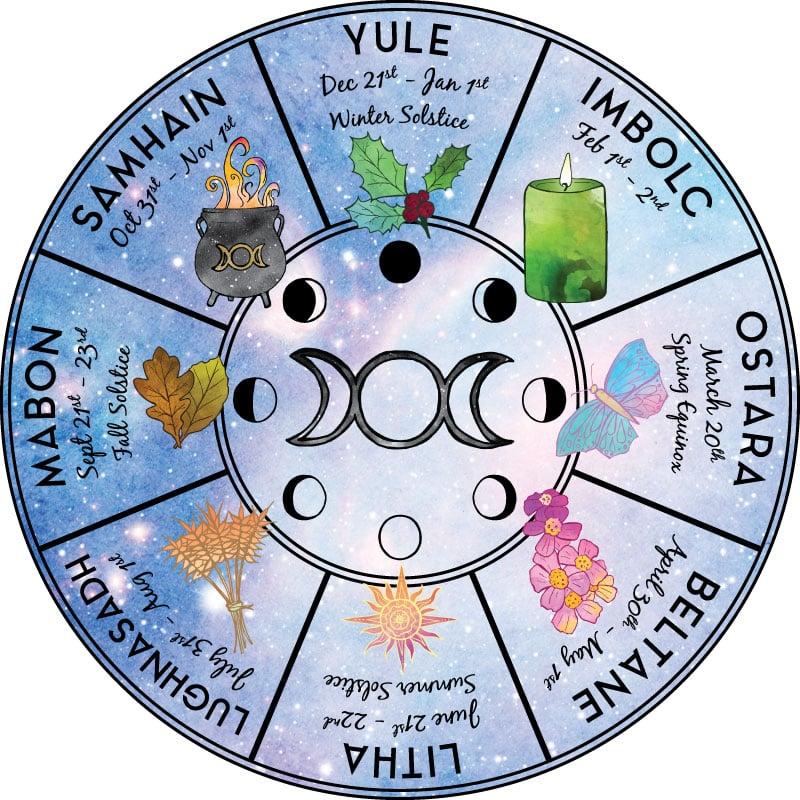
Sabbats are seasonal festivals marking the Wheel of the Year. They connect practitioners to the changing seasons and cycles of nature.There are eight Sabbats, traditionally grouped into four Greater Sabbats and four Lesser Sabbats:
- Greater Sabbats:
- Yule (winter Solstice)
- Ostara (Spring Equinox)
- Litha (Summer Solstice)
- Mabon (Autumn Equinox)
- Lesser Sabbats:
- Samhain (Halloween)
- Imbolc (February 1)
- Beltane (May 1)
- Lammas (August 1)
What are Esbats?
Esbats are lunar celebrations held typically during the full moon or new moon. These gatherings provide Wiccans with opportunities for rituals, spells, and reflections on personal growth.
Significance of Sabbats and Esbats
Both Sabbats and Esbats play crucial roles in Wiccan practice. They help practitioners attune to the natural world, deepen their spiritual connections, and foster community. Celebrating these occasions can bring about:
- Learn about the cycles of nature and how they affect life.
- Enhance rituals with seasonal themes and energies.
- Connect with the divine through shared rituals.
- Encourage personal reflection and growth.
Detailed Overview of the Sabbats
1. Yule (Winter Solstice)
Yule marks the longest night of the year and the rebirth of the Sun God. It is a time of reflection, renewal, and party of the returning light.
2.Ostara (Spring Equinox)
Ostara symbolizes balance between dark and light, heralding spring's arrival. It is a time of planting new ideas and intentions.
3. Litha (Summer Solstice)
Litha celebrates the height of summer and the Sun's power. It’s a time for abundant growth and prosperity.
4. Mabon (Autumn Equinox)
Mabon is a time of thanksgiving and reflection. It marks the end of the harvest season and prepares practitioners for winter's rest.
5. samhain
Samhain honors the thinning veil between worlds. It is a time for remembering ancestors and introspection.
6. imbolc
Imbolc celebrates the first signs of spring’s return. This festival symbolizes purification and renewal.
7. Beltane
Beltane is all about fertility and the blossoming of life. celebrations often include rituals of union and joy.
8. lammas
Lammas is a time for gratitude,where practitioners celebrate the first harvest. It reflects abundance and sharing.
Diving into the Esbats
Esbats are often celebrated during the full moon, which is a peak time for magical work. Each moon phase carries its distinct energy:
- New Moon: Setting intentions and beginnings.
- Waxing Moon: Growth and manifestation.
- Full Moon: Completion and empowerment.
- Waning moon: Release and reflection.
Benefits of Celebrating Sabbats and Esbats
Incorporating Sabbats and Esbats into your practice can yield numerous benefits:
- Heightened Awareness: Aligning with nature enhances your awareness of cycles.
- Community Building: Joining fellow practitioners fosters connections.
- Enhanced Ritual Practice: Seasonal rituals can deepen your magical work.
- Personal Growth: Celebrations allow time for reflection and intention setting.
Practical Tips for Celebrating Sabbats and Esbats
To effectively celebrate Sabbats and Esbats, consider the following tips:
- Create a sacred space to perform rituals or meditations.
- Incorporate seasonal elements (like herbs, flowers, or foods) into your rituals.
- Gather with others for shared celebrations,or enjoy personal reflection.
- Document your experiences in a Wiccan journal.
Case Study: Celebrating samhain
for many Wiccans, Samhain is especially poignant. A group of practitioners in a local community hosted an event where they created an altar with photographs of deceased loved ones, shared stories, and performed ancestral rituals. The experience not only strengthened their connections but also brought a sense of closure and unity.
First-Hand Experience: My Journey with Esbats
As a practitioner, celebrating my first Esbat was transformative. I created a simple altar with candles, crystals, and representations of the moon. The energy during my first full moon was palpable; I felt empowered as I performed my rituals. As then, I have made it a monthly tradition, enhancing my spiritual practice each time.
Conclusion
Celebrating Wiccan Sabbats and Esbats is not just a ritualistic practice—it’s a pathway to understanding ourselves and the natural world we inhabit.By embracing these sacred times, you deepen your connection to the cycles of life, foster community, and enhance your spiritual growth. Whether you celebrate alone or with others, let each Sabbat and Esbat be a step towards a more enlightened and magical practice.